
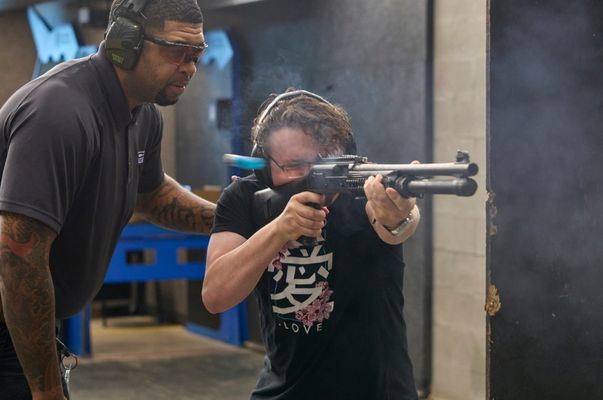
Tax refund season is when a lot of responsible gun owners ask the same question: Should I upgrade my gear or sharpen my skills? If you’re in Arizona, especially in the Phoenix area, that refund can go a long way toward safer, more confident shooting. The best path is the one that serves your goals, your household, and your budget without impulse buys. Here’s a reader-first way to decide.
What Matters Most
If you already own a reliable firearm, training usually delivers the bigger payoff
For most people who already have a dependable pistol, rifle, or shotgun, quality instruction yields faster, more durable results than another purchase. Coaching corrects bad habits you may not notice, refines grip, sights, and trigger control, and improves decision-making under stress. Those gains carry over to every gun you’ll ever touch, which means every future dollar you spend performs better.
When a new firearm makes sense
A purchase can be the right move when your current setup doesn’t fit the job, your hands, or your experience level. Think home defense versus backcountry carry, or replacing an unreliable platform that keeps hiccupping. A rimfire trainer for low-cost reps, a hunting build, or a dedicated home-defense long gun can also fill clear role gaps.
Budgeting Your Refund
The true cost of a new gun
The sticker price is only the start. Plan for safe storage, a sling or holster, sights or an optic, cleaning gear, range fees, and a healthy ammo stash. Expect break-in and zeroing time, then at least a couple of test-fire sessions to confirm reliability before trusting it for defense.
The true cost of quality training
Tuition is just one line item. You’ll also need ammo for class, targets or range fees, and potentially travel and time off. A smart progression looks like this: fundamentals, then defensive skills, followed by low-light or scenario work, and finally medical training such as Stop the Bleed.
A hybrid approach that works
Split the refund between a reputable class and essential safety gear like a quick-access lockbox plus eye and ear protection. Use the remainder on ammo to fuel structured practice so your new skills stick.
What Training Actually Buys You
Skills that move the needle
Good training builds safe handling under pressure, smoother reloads and manipulations, and faster, cleaner malfunction clearance. It also strengthens judgment about when to press the trigger and when not to, reducing legal and ethical risk.
Confidence, consistency, and community
Coaching replaces guesswork with clear standards, while structured drills keep you progressing instead of plateauing. You’ll also plug into a community that holds you accountable, which is especially valuable in busy places like the Phoenix area.
Choosing the Right Course or Instructor
How to vet an instructor
Look for a published curriculum, a safety-first culture, and clear prerequisites that match your skill level. Favor courses with measurable standards, such as scored quals or before and after drills, over vague “tactical” promises. Read verifiable student feedback, especially from shooters in Arizona whose use cases look like yours.
Class types to consider
Strong options include fundamentals refreshers, defensive handgun or rifle, low-light, scenario or simulator-based training, legal considerations, and trauma care like Stop the Bleed. This guidance is informational and not an endorsement of any specific provider in the Phoenix area or elsewhere.
If You Decide to Buy: Do It Intentionally
Start with purpose and fit
Define the primary role first, whether that’s home defense, concealed carry, hunting, or competition. Then test ergonomics and controls to ensure the gun fits your hands and recoil tolerance before committing.
Safety and storage come first
Prioritize a quick-access safe or lock solution that matches your living situation and response needs. Your refund should buy both capability and responsibility.
Stay compliant, no shortcuts
Know the rules where you live, including purchasing, transport, storage, and any training requirements that may apply. Arizona has its own framework, and if you’re in the Phoenix area you’ll also need to follow any applicable local policies and range rules.
A Simple Decision Framework
Quick flowchart
- Own a reliable firearm but lack formal training? Choose training first.
- Have solid fundamentals and a clear role gap? Consider a role-specific firearm, plus a tune-up class.
- Tight budget? Take a one-day fundamentals course, add a dry-fire routine, and save for a future upgrade.
Sample spending splits
- Skills-first: 70% training and ammo, 30% safe storage and maintenance.
- Balanced: 50% class and 50% accessory or upgrade like quality sights, a better holster, or a white light.
- New-role build: 60% firearm and essentials, 40% class to master it.
Make Your Investment Pay Off
Your 90-day plan
- Weeks 1–2: Safety refresh and dry-fire routine, then schedule your class.
- Weeks 3–8: Take the course, log your drills, and add one focused live-fire session per week.
- Weeks 9–12: Re-test key standards, keep what works, and adjust gear only after skills plateau.
Frequently Asked Questions
- Q: Is training really better than buying another gun?
A: For most owners with a reliable firearm, yes. Training improves safety, accuracy, and judgment you can apply with any platform. - Q: How much should I set aside for ongoing practice?
A: Plan a modest monthly ammo budget and dedicated range time, paired with structured dry-fire to stretch your dollars. - Q: What if my current gun doesn’t fit me well?
A: Prioritize fit and controllability. If a new firearm solves a concrete problem, budget for both the gun and a class to master it. - Q: Are accessories a good middle ground?
A: Often. A quality holster, white light, better sights or an optic, and a quick-access safe can deliver big gains when paired with instruction.
Ready to put your tax refund to work. If you’re in Arizona or the Phoenix area, let’s map a plan that fits your goals, timeline, and budget. Reach out to schedule a quick gear and skills consult, book a class, or get a personalized practice plan so your investment pays off all year.

Get Your Custom Training Plan
Take our quiz and get clarity on where to begin.