

Why training equals ethics in Arizona
Fair chase is the baseline
Ethical hunting in Arizona starts with fair chase, the idea that game deserves a lawful, sportsmanlike pursuit and that hunters avoid any improper advantage. In practice, that means you stretch the stalk, not the shot. If you can’t close the distance or stabilize the rifle for a high‑probability vital‑zone hit, you pass and try again. Training builds the judgment and discipline to make those calls confidently in the field.
Safety improves with education
Decades of hunter education have driven hunting incidents down across the country, and the trend isn’t an accident. Formal courses combine firearm handling, situational awareness, and decision‑making under stress. When you pair classroom learning with range reps, the four rules become reflexes. That muscle memory is what keeps you and everyone around you safe when excitement spikes.
Arizona rules every ethical hunter should know
Who must take Hunter Education (and when)
In Arizona, youth ages 10 to 13 hunting big game must complete Hunter Education, while ages 14 and up aren’t required but are strongly encouraged to take it. Adults benefit, too, with clearer understanding of ethics, safety, and local regulations. Courses are offered online and in hybrid formats, often with a field day to validate safe gun handling. Plan ahead so you can finish well before your hunt.
The lifetime education bonus point (how to earn it)
Arizona rewards learning with a permanent education bonus point. You can earn it by completing Arizona Hunter Education or, if you’re 18 or older, the Ethically Hunting Arizona online course. Make sure you finish at least 30 days before the relevant draw deadline so it counts. Once you’ve earned the Hunter Education point, you keep it even after drawing a tag.
Safety and ethics made second nature
Training makes key laws feel automatic. Don’t discharge a firearm while taking wildlife within a quarter mile of an occupied residence without permission, and remember many cities have additional restrictions. It’s illegal to knowingly waste edible portions of game, so plan for cooling, transport, and processing before you ever shoot. Arizona also prohibits using trail cameras or drones to locate or take wildlife, and some species require timely harvest reporting, such as black bear within 48 hours.
Range reps that translate to clean, humane kills
Zeroing and marksmanship for ethical distance
A precise zero is step one; realistic practice is step two. Use the range to confirm your dope, then learn your effective range based on group size and wind calls, not wishful thinking. Ethical hunting means taking high‑probability shots into the vital zone only. If the wind, angle, or your position lowers that probability, get closer or pass.
Field positions and follow‑through
Hunts are rarely shot from benches, so build reps in prone, kneeling, and from improvised rests like backpacks and tripods. Work a consistent shot process, then practice quick follow‑up shots and malfunction fixes without losing eyes on the animal. Finally, rehearse recovery protocols: mark the shot, note direction of travel, and move deliberately to the impact site. This is how range work turns into fast, humane outcomes.
Where to train in‑state
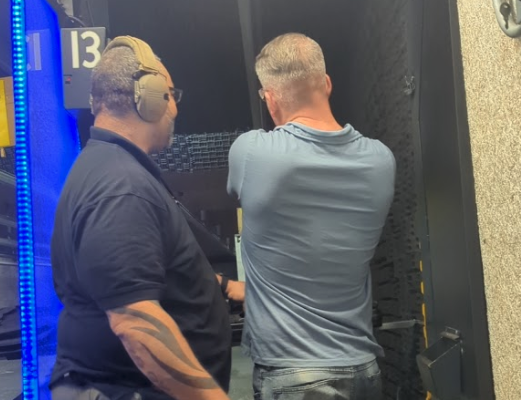
Arizona offers public facilities, private clubs, and instructor‑led classes, so pick a range that matches your goals and your hunt. If you’re in the Phoenix area, C2 Tactical provides supervised rifle and pistol lines, plus specialty ranges for advanced work.
Conservation‑minded choices you learn in training
Go non‑lead in condor country or remove gut piles
In condor range, especially GMUs 12A and 12B, switch to non‑lead ammunition when possible. If you do use lead, pack out or bury gut piles to prevent scavengers from ingesting fragments. Ballistics testing and field experience show modern copper bullets perform consistently on big game. Small changes like these have an outsized impact on wildlife health.
Blaze orange recommended, not required
Arizona doesn’t require blaze orange, but it’s smart to wear when others may be afield. A vest or hat dramatically boosts your visibility in timber, draws, and early‑light conditions. Modern fabrics make it easy to layer orange without overheating or sacrificing concealment. Think of it as a simple insurance policy that keeps everyone safer.
Plan your ethics‑focused tune‑up
Build skills and community
Mentored hunt camps and hands‑on clinics connect new and seasoned hunters with coaches who shortcut the learning curve. Pair those events with steady range time so your knowledge becomes instinct. You’ll pick up tips on shot placement, tracking, and meat care that turn a tag into clean protein. Community multiplies skill and keeps ethics front and center.
Stay compliant and speak up
Regulations evolve, so review current rules before every season, every unit, and every species. Keep reporting tools handy to flag suspected violations and model ethical behavior for newer hunters. A quick call can protect game populations and access for everyone. Responsible voices preserve the future of hunting in Arizona.
Frequently Asked Questions
- Q: Do I need Hunter Education as an adult in Arizona?
A: No. It’s required for youth ages 10–13 hunting big game; for 14 and up it’s optional but highly recommended. - Q: Will the Ethically Hunting Arizona course count as Hunter Education for other states?
A: No. It helps you earn Arizona’s lifetime education bonus point but isn’t a certification accepted elsewhere. - Q: How close can I shoot to houses or buildings?
A: Do not discharge within a quarter mile of an occupied structure without permission, and check city ordinances. - Q: Is blaze orange required?
A: Not statewide, but it’s strongly recommended for visibility and safety. - Q: Where can I practice before my hunt?
A: Arizona has public and private ranges; in the Phoenix area, Ben Avery is a strong, publicly operated option, and local classes run year‑round.
Ready to turn principles into practice? Book a skills session, schedule a range day in the Phoenix area, or line up a mentored clinic so your next Arizona hunt is safer, more ethical, and more successful. Reach out today for a personalized training plan that fits your species, unit, and timeline.

Get Your Custom Training Plan
Take our quiz and get clarity on where to begin.