
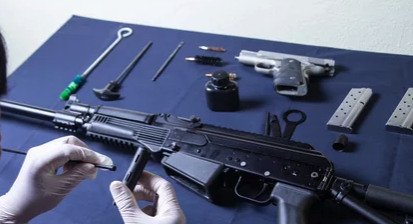
Choose the rifle first
What to prioritize
Reliability and long‑term support matter most on a beginner AR‑15 setup. Look for a mid‑length gas system for smoother recoil, a free‑float M‑LOK handguard for flexible mounting, an adjustable stock, and standard controls that are easy to learn. Keep overall weight moderate so practice sessions are comfortable and handling stays quick. Skip heavy barrels and bulky accessories until you know what truly helps.
Buy complete vs build from parts
For a first rifle, buying a complete gun removes assembly variables and avoids early reliability headaches. You’ll get a warranty, consistent parts compatibility, and a known baseline for training. Build later when you understand your preferences and how you maintain the platform.
Optics made easy
Why a red dot first
A quality red dot is fast, intuitive, and great for both‑eyes‑open shooting. Mount it at a comfortable height, confirm a dependable zero, and resist the urge to tinker between sessions. Simplicity now builds confidence and consistency.
Irons and LPVOs when to consider
If your rifle ships with backup irons, keep them; they’re insurance if electronics fail. Consider an LPVO only when your needs shift toward distance work or hunting. Until then, the red dot keeps your learning curve short and your rifle lighter.
Sling and light your first two accessories
Two‑point sling fundamentals
Think of a sling as a holster for your rifle. A quick‑adjust two‑point lets you carry securely, manage recoil, and stabilize in kneeling or seated positions. Attach it front and rear, then fine‑tune the length so transitions feel natural.
White light for positive ID
A rifle‑rated white light is essential for identifying what’s in front of your muzzle. Mount it where your support‑hand thumb can activate the switch without shifting grip, and keep cable management clean to avoid snags. Choose durable models that withstand heat and recoil.
Ammo, mags, and basic maintenance
What to feed it
Start with reputable brass‑cased 5.56 or .223 in common 55–62 grain loads. Buy in small batches, test for function and accuracy, then stock the load your rifle likes. Consistency simplifies zero checks and training.
Magazines that work
Run proven 30‑round magazines and number them with a paint pen. Rotate them during practice and retire any that cause failures. Reliability starts at the mag well.
Lube and clean don’t overdo it
Keep the bolt carrier group and contact points properly lubricated with a quality product. Clean the bore and inspect at sensible intervals, following the manufacturer’s guidance. Over‑cleaning or flooding with oil can create its own problems.
Training, safety, and storage
Get competent, not just geared
Gear won’t replace skill. Learn and practice the four basic safety rules, build dry‑fire habits, and confirm your zero regularly. If you’re near Scottsdale, AZ, or Tempe, AZ, look for reputable basic carbine classes that focus on fundamentals and safe gun handling. Structured instruction accelerates progress and prevents bad habits.
Responsible storage
Use a lockable safe or cabinet and control access at all times. Store ammunition separately if it fits your household plan. Always comply with local, state, and federal laws in Scottsdale, AZ, Tempe, AZ, and wherever you train or store firearms.
Smart starter budgets examples not mandates
Good 900–1,100 total
Pair a solid entry‑level rifle with a basic red dot, a two‑point sling, a handheld‑style rifle light, and three magazines. It’s everything you need to train safely and effectively.
Better 1,200–1,600
Upgrade to a lighter handguard, a longer battery‑life dot on a sturdier mount, an ergonomic sling, and five to seven magazines. You’ll feel the difference during longer range days.
Best beginner 1,700–2,100
Choose a duty‑grade rifle, a ruggedized red dot, and a higher‑candela light with a quality switch. Add a range bag, a cleaning kit, and budget for a fundamentals class to lock in skills early.
Common mistakes to avoid
Lessons learned early
Skipping training while stacking accessories is the fastest way to waste money. Cheap optics that won’t hold zero, ignoring a sling or light, and chasing aftermarket triggers too soon all slow your progress. Under‑budgeting for ammo and instruction is another common pitfall. Keep the rifle simple and invest in reps.
Frequently Asked Questions
Q: Do I need to build an AR‑15 to get a good setup?
A: No. A quality complete rifle is simpler, safer, and usually more reliable for beginners.
Q: Red dot or LPVO first?
A: Start with a red dot for speed and simplicity, and add an LPVO later if distance or hunting becomes a priority.
Q: How many magazines should a beginner buy?
A: Begin with three to five reliable 30‑round magazines, mark them, test them, and replace any that act up.
Q: What’s a sensible zero for a beginner?
A: Pick a practical zero you can easily confirm, then stick with it for consistency.
Q: Should beginners consider suppressors or short barrels?
A: Those are advanced options with added legal and handling considerations; master a standard rifle first and follow all laws.
Ready to build confidence with a straightforward AR‑15 starter build? If you’re in Scottsdale, AZ or Tempe, AZ, commit to a fundamentals class, set up a safe storage plan, and get your baseline rifle zeroed. Have questions about gear priorities or training pathways? Reach out to our team and let’s map your next steps.

Get Your Custom Training Plan
Take our quiz and get clarity on where to begin.