

Understanding the Fundamentals of Upland Hunting
Entering the world of bird hunting can feel overwhelming, but it is one of the most rewarding ways to connect with the outdoors. Whether you are interested in quail, pheasant, or grouse, the first step is understanding what is upland game. Essentially, these are non-waterfowl birds found in dry land habitats. Getting started requires a mix of the right equipment, a focus on safety, and a bit of patience as you learn the ropes of the field.
Essential Gear for the Field
Your setup does not need to be overly complicated. A reliable shotgun is the center of your gear list. Many beginners start with a 20-gauge or 12-gauge shotgun, as these offer a good balance of power and manageable recoil. When selecting the right firearm for you, consider the weight of the gun, as you will likely be carrying it over several miles of terrain in areas like Scottsdale or Tempe.
Beyond the firearm, you will need comfortable, water-resistant boots and high-visibility blaze orange clothing. This is not just for style: it is a critical safety requirement so other hunters can easily see you in thick brush. Using a dedicated hunting vest will help you carry ammunition and provide a place to store game bird harvests while keeping your hands free for navigation.
Improving Your Accuracy Before the Hunt
You do not want your first time handling your firearm to be in the middle of a field. Building muscle memory and comfort is vital for both success and safety. Spending time at a range allows you to practice your mounting technique and follow-through. For those in Arizona, visiting a professional environment can help you bridge the gap between owning a gun and being proficient with it.
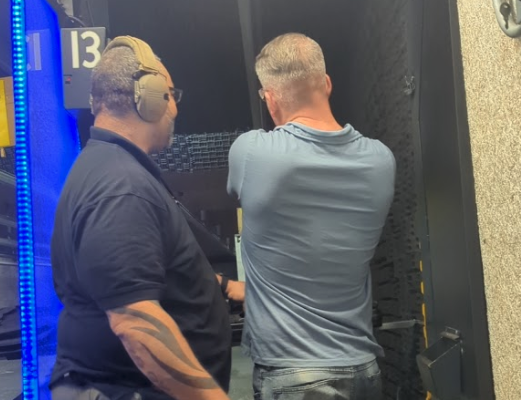
At C2 Tactical, we focus on education and safety for all skill levels. If you are new to shooting, our private shooting classes provide a controlled setting where you can work one on one with an instructor. This ensures that when you finally head out for your first hunt, you are confident in your ability to handle your equipment responsibly.
Scouting and Habitat
Success in bird hunting often comes down to knowing where to look. Different species prefer different environments: quail might favor thick desert scrub, while other birds look for tall grasses or crop edges. You can find detailed resources on getting started with specific species to better understand their behavior. Additionally, checking state-specific guides for upland game can give you a better idea of season dates and public land access.
Preparation and Training
Before you head out, make sure you have your hunter education certification and the proper licenses for your region. Many new hunters find that joining a community or attending local workshops helps them stay informed about regulations and best practices. If you are looking for ways to stay sharp during the off-season, you can check our calendar of events for upcoming training opportunities and specialized sessions.
Ready to sharpen your skills before your first hunt? Our team is highy-rated with a 4.6-star average from over 800 Google reviews, ensuring you receive top-tier guidance. Whether you want to book lane reservations for practice or sign up for a class, we make it easy. You can book online or walk in to any of our locations to get started on your journey. For more information on how we can help you prepare for the field, contact us today.
Frequently Asked Questions
What is the best shotgun gauge for a beginner bird hunter?
Most beginners find that a 20-gauge shotgun is an excellent starting point because it is lighter to carry and has less recoil than a 12-gauge, making it easier to stay accurate during a long day in the field.
Do I need a dog to go bird hunting?
While having a trained bird dog is a massive advantage for flushing and retrieving, it is not a strict requirement. Many hunters successfully walk fields and heavy cover themselves to jump-start birds.
How can I practice for moving targets at an indoor range?
While indoor ranges typically have stationary targets, you can still practice the fundamentals of a quick and consistent mount, proper cheek weld, and trigger control, which are all essential for hitting moving birds.
What safety gear is most important for upland hunting?
Blaze orange is the most critical safety item to ensure visibility to other hunters. Additionally, always wear ear and eye protection when shooting, and ensure you are familiar with the specific firearm safety rules for the field.

Get Your Custom Training Plan
Take our quiz and get clarity on where to begin.